
Is AI Boom Redrawing the Global Air Freight Map?
✈️ Air CargoAugust 19, 2026
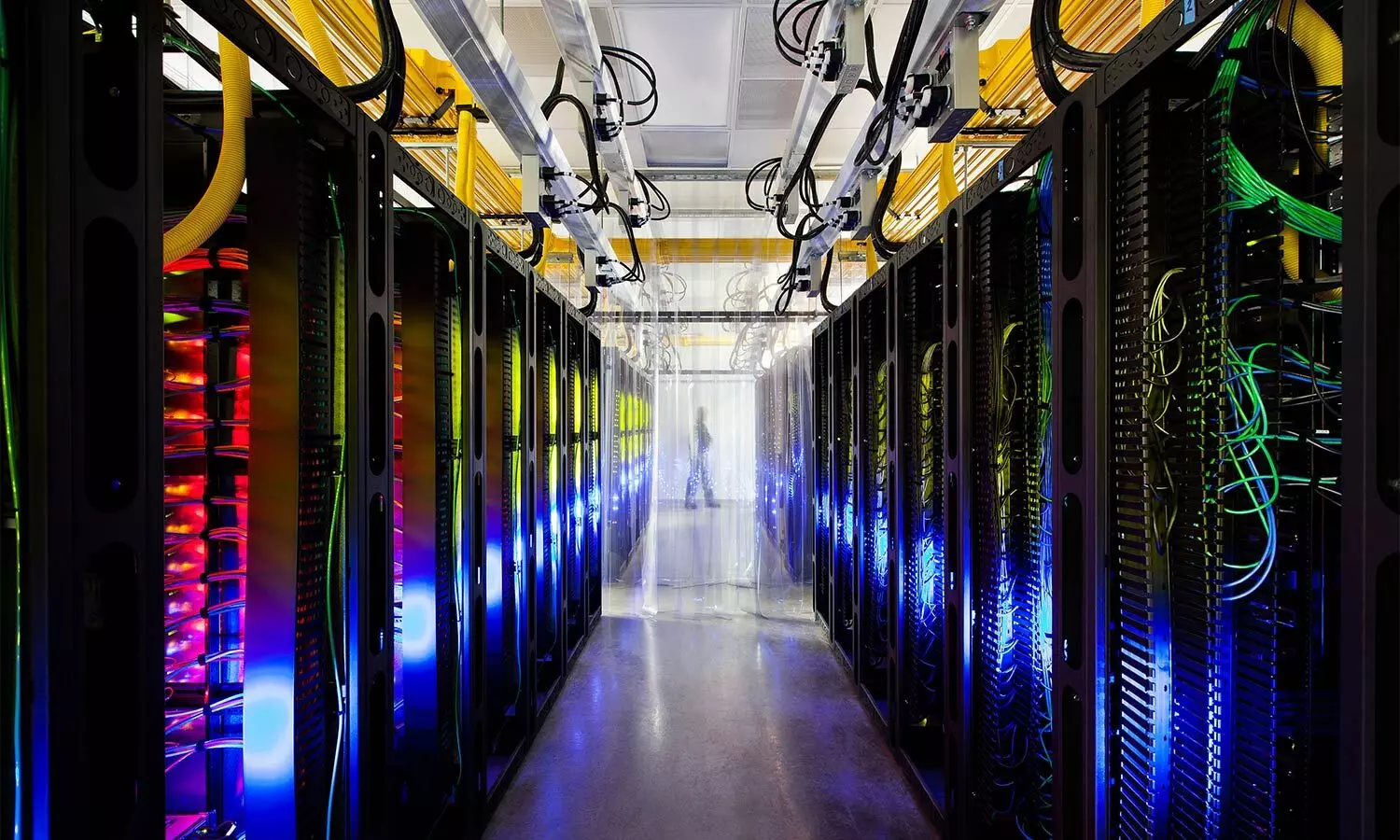
AI and semiconductor shipments are pushing Asia-US airfreight load factors to approximately 90 percent, replacing e-commerce as the primary capacity driver. Taiwan and South Korea face tight capacity and rising rates across key corridors as data center infrastructure demand surges.
The global air freight market is experiencing a fundamental shift as artificial intelligence infrastructure replaces e-commerce as the primary driver of demand growth. According to IATA, more than two-thirds of the value of AI-related trade was carried by air in 2025, with air cargo consignments of AI-related goods growing 20 percent year-on-year. In June 2026, Xeneta reported 7 percent year-on-year growth in global air cargo demand, driven by semiconductor and AI-related hardware, with spot rates rising 38 percent to 3.40 dollars per kilogram. On Asia-Pacific to North America routes, AI volumes have offset weaker e-commerce demand, with load factors on Asia-US lanes reaching approximately 90 percent. Taiwan and South Korea have emerged as critical nodes in this new trade map, with Taiwan’s high-tech exports growing around 120 percent in the first five months of 2026. The cargo driving this shift is diverse and complex: GPUs, servers, semiconductor components, networking equipment, memory chips, power systems, cooling equipment, and fully assembled racks are moving across Taiwan, South Korea, Southeast Asia, India, Mexico, North America, and Europe. Much of this cargo is high-value, oversized, export-controlled, or time-critical, creating new logistics requirements that differ sharply from traditional air freight.
📊 Key Metrics & Data
| Global Air Cargo Demand | +7% YoY | June 2026, driven by semiconductors |
| Spot Rates | $3.40/kg | 38% higher year-on-year |
| Taiwan High-Tech Export Growth | +120% | First five months of 2026 |
| AI-Related Trade by Air | 53.5% | Of total air-transported trade value |
AI Infrastructure Demand Tightens Key Airfreight Lanes
Dimerco’s August 2026 Asia Pacific Freight Report shows pressure building across key Asian airfreight markets. Taiwan’s airfreight capacity remains tight, with rising rates to Asia and both US coasts as demand for AI servers, semiconductors, and other high-tech products increases. South Korea is seeing similar pressure, with tight capacity to Asia and the US and rising rates across major corridors. Dimerco, which works with major carriers including Cathay Cargo, Air China Cargo, China Airlines, EVA Air, Korean Air, and Singapore Airlines for AI infrastructure movement, reports that load factors on Asia-US lanes have reached approximately 90 percent, with AI and semiconductor shipments replacing e-commerce as the primary capacity driver. This demand is being generated by a wide range of equipment required to build and operate data centers. A data center needs around nine categories of hardware: compute, networking, storage, racks, power, cooling, facility systems, security, and AI-specific components. That variety creates different logistics requirements. GPUs are relatively small but extremely valuable and subject to export controls. Transformers and chillers are oversized project cargo, while UPS batteries are classified as dangerous goods. Fully outfitted server racks present another challenge, with a single rack costing close to 4 million dollars and taking up significant airfreight volume once crated. Dimerco recently handled 320 server racks on a tight timeline, requiring the main deck capacity of multiple Boeing 747 freighters. Transportation planning starts before cargo reaches the airport, with GPUs, control systems, and fully assembled racks moving by air while cabling and empty racks can move by ocean.
Regional Trade Flows Reshape and Bubble Concerns Emerge
Reports show that Asia-to-North America remains a major flow for AI infrastructure shipments, but finished equipment represents only part of the demand. Components move between semiconductor fabs, outsourced semiconductor assembly and test operations in Southeast Asia, and Taiwanese server integrators. Dimerco has seen significant growth in the Korea-to-Taiwan trade lane, driven largely by memory chips and other semiconductor components used in AI servers. Samsung and SK Hynix supply high-value memory products, including high-bandwidth memory and DRAM, to Taiwan, where server manufacturers integrate them into finished AI infrastructure for export. Southeast Asia is increasingly gaining importance, with Malaysia, Vietnam, Singapore, and the Philippines attracting assembly, testing, and packaging investment and developing data center markets. India is seeing rising pressure to Europe and North America, while Mexico is emerging as a nearshore manufacturing and logistics leg into the US. Korean Air reported second-quarter 2026 cargo revenue of 1.5419 trillion won, up 46 percent year-on-year, with AI-related cargo replacing e-commerce shipments from China as a primary growth driver. However, questions about sustainability are emerging. At transport logistic and air cargo Shanghai 2026 in June, industry executives noted that companies across cooling systems, data connectivity, server-rack assembly, and semiconductor manufacturing were reporting production capacity booked two to three years ahead. One executive pointed to Taiwan’s projected 9.8 percent economic growth in 2026, calling it growth more typical of an emerging market than a mature economy and asking whether the boom is leading to a bubble. Based on industry conversations, the market could remain relatively safe at least until the end of 2027, but chip shortages are expected to reduce smartphone, laptop, and consumer-electronics volumes by 8 to 10 percent.
Key Insights
- •AI infrastructure shipments pushed Asia-US air cargo load factors to ~90%, replacing e-commerce as primary driver
- •Taiwan’s high-tech exports grew ~120% in first five months of 2026; Korean Air cargo revenue up 46% year-on-year
- •Data center equipment includes nine hardware categories with diverse logistics needs—from small high-value GPUs to oversized chillers
- •Industry concerns emerging about sustainability: Taiwan’s 9.8% GDP growth and 2-3 year production backlogs raise bubble questions
SELS LogiSense – Week 34, 2026
AI 붐이 글로벌 항공 화물 지도를 다시 그리고 있는가?
✈️ 항공 화물August 19, 2026
AI 및 반도체 운송이 아시아-미국 항공 화물 탑재율을 약 90%까지 끌어올리며 전자상거래를 주요 용량 동인으로 대체하고 있습니다. 데이터 센터 인프라 수요가 급증함에 따라 대만과 한국은 주요 회랑에서 빠듯한 용량과 상승하는 운임에 직면하고 있습니다.
글로벌 항공 화물 시장은 인공지능 인프라가 전자상거래를 수요 성장의 주요 동인으로 대체하면서 근본적인 변화를 경험하고 있습니다. IATA에 따르면, 2025년 AI 관련 무역 가치의 3분의 2 이상이 항공으로 운송되었으며, AI 관련 상품의 항공 화물 탁송은 전년 대비 20% 증가했습니다. 2026년 6월, Xeneta는 반도체 및 AI 관련 하드웨어에 의해 주도된 글로벌 항공 화물 수요가 전년 대비 7% 성장했다고 보고했으며, 현물 운임은 킬로그램당 3.40달러로 38% 상승했습니다. 아시아-태평양에서 북미로 가는 노선에서 AI 물량은 약한 전자상거래 수요를 상쇄했으며, 아시아-미국 노선의 탑재율은 약 90%에 도달했습니다. 대만과 한국은 이 새로운 무역 지도에서 중요한 노드로 부상했으며, 대만의 첨단 기술 수출은 2026년 첫 5개월 동안 약 120% 성장했습니다. 이러한 변화를 주도하는 화물은 다양하고 복잡합니다: GPU, 서버, 반도체 부품, 네트워킹 장비, 메모리 칩, 전력 시스템, 냉각 장비 및 완전 조립된 랙이 대만, 한국, 동남아시아, 인도, 멕시코, 북미 및 유럽을 가로질러 이동하고 있습니다. 이 화물의 대부분은 고가치, 대형, 수출 통제 또는 시간에 민감하여 전통적인 항공 화물과는 크게 다른 새로운 물류 요구 사항을 만들고 있습니다.
📊 핵심 지표 & 데이터
| 글로벌 항공 화물 수요 | 전년 대비 +7% | 2026년 6월, 반도체 주도 |
| 현물 운임 | 킬로그램당 3.40달러 | 전년 대비 38% 상승 |
| 대만 첨단 기술 수출 성장 | +120% | 2026년 첫 5개월 |
| 항공 운송 인공지능 관련 무역 | 53.5% | 총 항공 운송 무역 가치 중 |
AI 인프라 수요가 주요 항공 화물 노선 압박
Dimerco의 2026년 8월 아시아 태평양 화물 보고서는 주요 아시아 항공 화물 시장 전반에 걸쳐 압박이 형성되고 있음을 보여줍니다. 대만의 항공 화물 용량은 여전히 빠듯하며, AI 서버, 반도체 및 기타 첨단 기술 제품에 대한 수요가 증가함에 따라 아시아 및 미국 양 해안으로의 운임이 상승하고 있습니다. 한국도 유사한 압박을 받고 있으며, 아시아 및 미국으로의 용량이 빠듯하고 주요 회랑 전반에 걸쳐 운임이 상승하고 있습니다. AI 인프라 이동을 위해 Cathay Cargo, Air China Cargo, China Airlines, EVA Air, Korean Air 및 Singapore Airlines를 포함한 주요 운송업체와 협력하는 Dimerco는 아시아-미국 노선의 탑재율이 약 90%에 도달했으며, AI 및 반도체 운송이 전자상거래를 주요 용량 동인으로 대체했다고 보고합니다. 이 수요는 데이터 센터를 구축하고 운영하는 데 필요한 광범위한 장비에 의해 생성되고 있습니다. 데이터 센터는 약 9가지 범주의 하드웨어가 필요합니다: 컴퓨팅, 네트워킹, 스토리지, 랙, 전력, 냉각, 시설 시스템, 보안 및 AI 전용 구성 요소. 이러한 다양성은 서로 다른 물류 요구 사항을 만듭니다. GPU는 비교적 작지만 매우 가치가 높고 수출 통제 대상입니다. 변압기와 냉각기는 대형 프로젝트 화물이며, UPS 배터리는 위험물로 분류됩니다. 완전히 장착된 서버 랙은 또 다른 과제를 제시하며, 단일 랙의 비용은 약 400만 달러에 달하고 포장되면 상당한 항공 화물 부피를 차지합니다. Dimerco는 최근 빠듯한 일정에 320개의 서버 랙을 처리했으며, 여러 보잉 747 화물기의 메인 데크 용량이 필요했습니다. 운송 계획은 화물이 공항에 도착하기 전에 시작되며, GPU, 제어 시스템 및 완전 조립된 랙은 항공으로 이동하는 반면 케이블링 및 빈 랙은 해상으로 이동할 수 있습니다.
지역 무역 흐름 재편 및 버블 우려 부상
보고서에 따르면 아시아에서 북미로의 흐름이 AI 인프라 운송의 주요 흐름으로 남아 있지만, 완제품 장비는 수요의 일부만을 나타냅니다. 부품은 반도체 팹, 동남아시아의 아웃소싱 반도체 조립 및 테스트 작업, 대만 서버 통합업체 간에 이동합니다. Dimerco는 AI 서버에 사용되는 메모리 칩 및 기타 반도체 부품에 의해 주로 주도되는 한국-대만 무역 노선에서 상당한 성장을 보았습니다. 삼성과 SK하이닉스는 고대역폭 메모리 및 DRAM을 포함한 고가치 메모리 제품을 대만에 공급하며, 서버 제조업체는 이를 수출용 완제품 AI 인프라에 통합합니다. 동남아시아는 점점 더 중요해지고 있으며, 말레이시아, 베트남, 싱가포르 및 필리핀이 조립, 테스트 및 패키징 투자를 유치하고 데이터 센터 시장을 개발하고 있습니다. 인도는 유럽 및 북미로의 압박이 증가하고 있으며, 멕시코는 미국으로의 니어쇼어 제조 및 물류 거점으로 부상하고 있습니다. 대한항공은 2026년 2분기 화물 수익이 1조 5,419억 원으로 전년 대비 46% 증가했다고 보고했으며, AI 관련 화물이 중국의 전자상거래 운송을 주요 성장 동인으로 대체했습니다. 그러나 지속 가능성에 대한 질문이 제기되고 있습니다. 6월 transport logistic 및 air cargo Shanghai 2026에서 업계 임원들은 냉각 시스템, 데이터 연결, 서버 랙 조립 및 반도체 제조 전반의 기업들이 2~3년 앞서 예약된 생산 능력을 보고하고 있다고 언급했습니다. 한 임원은 대만의 2026년 예상 경제 성장률 9.8%를 지적하며, 이를 성숙한 경제보다는 신흥 시장에 더 전형적인 성장이라고 부르며 붐이 버블로 이어지고 있는지 질문했습니다. 업계 대화를 기반으로 시장은 적어도 2027년 말까지는 비교적 안전할 수 있지만, 칩 부족으로 스마트폰, 노트북 및 소비자 전자 제품 물량이 8~10% 감소할 것으로 예상됩니다.
핵심 인사이트
- •AI 인프라 운송이 아시아-미국 항공 화물 탑재율을 약 90%로 끌어올려 전자상거래를 주요 동인으로 대체
- •대만의 첨단 기술 수출은 2026년 첫 5개월 동안 약 120% 성장; 대한항공 화물 수익 전년 대비 46% 증가
- •데이터 센터 장비는 소형 고가치 GPU에서 대형 냉각기까지 다양한 물류 요구 사항을 가진 9가지 하드웨어 범주 포함
- •지속 가능성에 대한 업계 우려 부상: 대만의 9.8% GDP 성장과 2-3년 생산 적체가 버블 질문 제기
SELS LogiSense – Week 34, 2026