
EU Trade Measures Could Affect 27% of China’s Exports, Goldman Estimates
🌍 TradeAugust 24, 2026
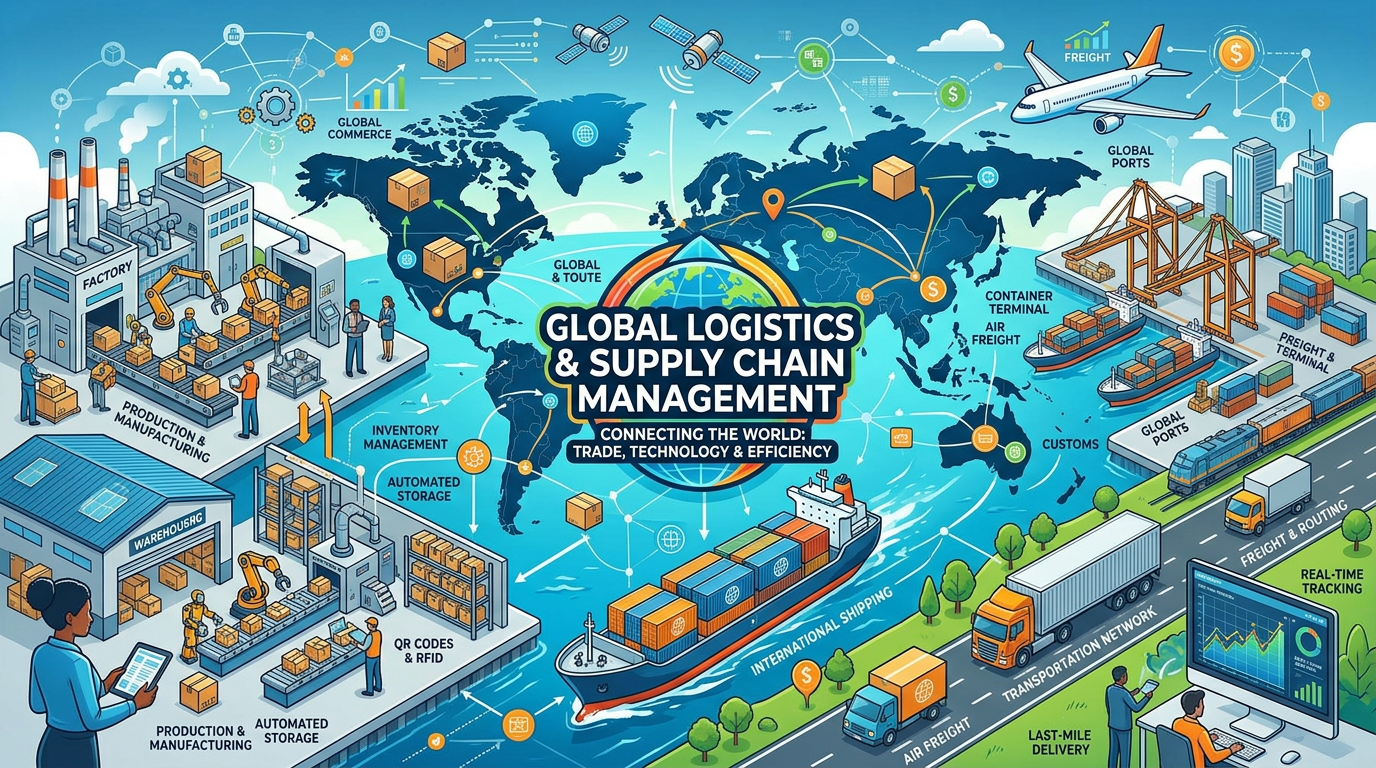
Goldman Sachs projects that EU trade actions, both implemented and proposed, could impact roughly a quarter of China’s annual exports to the bloc. The measures include fresh tariffs on plug-in hybrid vehicles and an expanded carbon border tax covering machinery, electrical equipment, and transportation goods, with potential effects extending into 2028.
Europe is preparing to scrutinize a substantial portion of what China sends its way. According to Goldman Sachs, trade measures from the EU could touch approximately 27% of China’s yearly exports to the region. The bank’s analysis, conducted by economists Lisheng Wang, Maggie Wei Chen, and Yuting Song, considered both active trade actions and those currently under discussion. Among the measures examined are newly introduced tariffs on plug-in hybrid vehicles, along with a proposed expansion of the EU’s Carbon Border Adjustment Mechanism. That mechanism requires importers to pay fees reflecting the carbon emissions embedded in goods produced under looser environmental standards. The EU represents a major destination for Chinese goods, absorbing about 15% of China’s total exports last year. Recent months have seen Chinese shipments to Europe rise, adding to tensions between the two economic powers. The relationship between Brussels and Beijing has grown increasingly strained, with both sides navigating a complex set of trade disputes and an October deadline looming for resolving disagreements over trade imbalances.
📊 Key Metrics & Data
| EU Share of China Exports | 15% | Of total Chinese exports in 2025 |
| Potential Carbon Tax Impact | $58 billion | Additional Chinese exports covered |
| Key Affected Sectors | 3 categories | Machinery, electrical, transportation |
| Earliest Implementation | 2028 | For expanded carbon border tax |
Carbon Border Tax and Key Affected Sectors
The proposed expansion of Europe’s carbon border tax is particularly significant. If extended beyond its current scope, the mechanism could sweep an additional $58 billion in Chinese exports into its coverage. The sectors most affected would be machinery, electrical equipment, and transportation goods. These three categories alone contributed nearly 5 percentage points to the 8.5% growth in Chinese exports to the EU last year. In other words, they represent the difference between a modest year and a strong one for Chinese exporters. Chen and Song cautioned that these measures will not automatically translate into lost sales for Chinese exporters. The final details of any policy remain subject to change, and the actual impact will hinge on enforcement and implementation. Several factors could soften the blow from these trade measures. Any expansion of the carbon border tax likely would not take effect until 2028 at the earliest. Additionally, for most downstream products, the tax would represent only a small fraction of the final price. China also holds leverage of its own. The country supplies more than 90% of the rare earth elements that European industries rely on. This dependency gives Beijing negotiating power in any trade discussions. Goldman’s analysts note that European officials have reasons to maintain access to the Chinese market and would likely avoid actions that trigger significant retaliation.
Investment Perspective and Gradual Escalation
For investors, this situation is more of a gradual development than an immediate crisis. Goldman’s economists anticipate that EU policy will become more restrictive over time, but they do not expect measures aggressive enough to provoke a severe response from Beijing. The most likely scenario involves continued friction between the two economic powers without escalating into a full-blown trade war. Companies with significant European sales or supply chains running through China may feel some effects in the coming years. The timeline matters here. With major policy changes not expected until 2028 at the earliest, businesses and investors have time to adapt. The actual enforcement of any new measures will determine the real-world consequences. Trade disputes tend to influence market prices well before they affect corporate earnings. As the October deadline approaches, developments in EU-China trade relations warrant close attention from investors monitoring the global trade landscape. While the trade friction poses a growing risk to China’s export outlook, the country’s cost advantages and product quality provide substantial buffers. The bank assesses that EU policy will tighten further, though not enough to provoke a major retaliatory response from Beijing. The 27% figure represents potential exposure rather than guaranteed impact, and the actual effects will depend on how policies are implemented, how businesses adapt, and how both sides navigate the complex political and economic relationship between Europe and China.
Key Insights
- •Goldman Sachs estimates EU trade measures could affect approximately 27% of China’s annual exports to the bloc
- •Proposed carbon border tax expansion could cover an additional $58 billion in Chinese machinery, electrical, and transportation exports
- •Any expansion of the carbon border tax likely would not take effect until 2028 at the earliest
- •China supplies over 90% of rare earth elements to Europe, providing Beijing with negotiating leverage
SELS LogiSense – Week 35, 2026
골드만 “EU 무역 조치, 중국 수출 27% 영향 가능”
🌍 무역August 24, 2026
골드만삭스는 이미 시행되거나 논의 중인 EU의 무역 조치가 중국의 연간 EU 수출액 중 약 4분의 1에 영향을 줄 수 있다고 전망했다. 여기에는 플러그인 하이브리드 차량에 대한 신규 관세와 기계·전기장비·운송장비까지 넓힌 탄소국경세가 포함되며, 그 영향은 2028년까지 이어질 수 있다.
유럽이 중국에서 들어오는 수출품의 상당 부분을 꼼꼼히 들여다볼 준비를 하고 있다. 골드만삭스에 따르면 EU의 무역 조치는 중국의 연간 대(對)EU 수출액의 약 27%에 영향을 미칠 수 있다. 경제학자 리셩 왕, 매기 웨이 첸, 유팅 쑹이 작성한 이 분석은 이미 시행 중인 조치와 현재 논의되고 있는 조치를 모두 포함한다. 조사 대상에는 플러그인 하이브리드 차량에 새로 도입된 관세와 EU 탄소국경조정제도(CBAM) 확대안이 들어 있다. 이 제도는 환경 기준이 느슨한 국가에서 생산된 제품에 내재된 탄소 배출량만큼 수입업자가 비용을 부담하도록 하는 장치다. EU는 중국 상품의 주요 수출 시장으로, 지난해 중국 전체 수출의 약 15%를 흡수했다. 최근 몇 달간 중국의 유럽행 물량이 늘면서 두 경제 대국 간 긴장도 커지고 있다. 브뤼셀과 베이징의 관계는 갈수록 팽팽해지고 있으며, 양측은 복잡하게 얽힌 무역 분쟁을 조율하는 가운데 무역 불균형 문제 해결을 위한 10월 시한을 앞두고 있다.
📊 핵심 지표 & 데이터
| 중국 수출 중 EU 비중 | 15% | 2025년 총 중국 수출 중 |
| 잠재적 탄소세 영향 | $580억 | 추가로 적용되는 중국 수출 |
| 주요 영향 부문 | 3개 범주 | 기계, 전기, 운송 |
| 최조 시행 시기 | 2028년 | 확대된 탄소 국경세 |
탄소 국경세 및 주요 영향 부문
유럽 탄소국경세의 확대안은 특히 주목할 만하다. 현재 적용 범위를 넘어 확대되면, 이 제도는 중국 수출 중 추가로 580억 달러 규모를 새로 포괄할 수 있다. 가장 큰 영향을 받는 업종은 기계, 전기장비, 운송장비다. 이 세 업종만으로도 지난해 중국의 대EU 수출 성장률 8.5% 중 거의 5%포인트를 차지했다. 다시 말해 이들 업종이 중국 수출업체에게 평범한 한 해와 좋은 한 해를 가르는 변수인 셈이다. 첸과 쑹은 이런 조치가 곧바로 중국 수출업체의 매출 손실로 이어지지는 않을 것이라고 선을 그었다. 정책의 최종 세부안은 여전히 바뀔 수 있고, 실제 영향은 집행과 시행 방식에 좌우될 것이다. 여러 요인이 이번 무역 조치의 충격을 완화할 수 있다. 탄소국경세 확대는 빨라도 2028년에야 시행될 가능성이 크다. 또 대부분의 하류 제품에서 이 세금은 최종 가격의 작은 일부에 그칠 것이다. 중국도 나름의 지렛대를 쥐고 있다. 중국은 유럽 산업이 의존하는 희토류의 90% 이상을 공급한다. 이 같은 의존도는 베이징에 무역 협상력을 부여한다. 골드만삭스 분석가들은 유럽 당국이 중국 시장 접근을 계속 유지할 이유가 있으며, 큰 보복을 촉발할 만한 조치는 피하려 할 것이라고 지적했다.
투자 관점 및 점진적 확대
투자자 입장에서 이번 상황은 당장의 위기라기보다 점진적으로 진행되는 흐름에 가깝다. 골드만삭스 경제학자들은 EU 정책이 시간이 지나면서 더 제한적으로 바뀔 것으로 보지만, 베이징의 강한 반발을 부를 만큼 공격적인 조치까지는 예상하지 않는다. 가장 가능성 있는 시나리오는 전면적인 무역전쟁으로 번지지 않은 채 두 경제 대국 간 마찰이 계속되는 것이다. 유럽 매출 비중이 크거나 중국을 경유하는 공급망을 가진 기업들은 앞으로 몇 년간 일부 영향을 받을 수 있다. 여기서 중요한 것은 시간표다. 주요 정책 변화가 빨라도 2028년에야 예상되는 만큼, 기업과 투자자에게는 적응할 시간이 있다. 실제 결과는 새 조치가 어떻게 집행되는지에 따라 달라질 것이다. 무역 분쟁은 기업 실적에 반영되기 훨씬 전에 시장 가격에 먼저 영향을 미치는 경향이 있다. 10월 시한이 다가오는 만큼, 글로벌 무역 흐름을 주시하는 투자자라면 EU-중국 무역 관계의 향방을 눈여겨볼 필요가 있다. 무역 마찰이 중국의 수출 전망에 위험 요인으로 커지고 있지만, 중국의 원가 경쟁력과 제품 품질은 상당한 완충 장치가 되어준다. 골드만삭스는 EU 정책이 더 강화될 것으로 보면서도, 베이징의 대대적인 보복을 부를 정도는 아닐 것으로 평가한다. 27%라는 수치는 확정된 영향이 아니라 잠재적 노출 범위를 나타내며, 실제 효과는 정책이 어떻게 시행되는지, 기업들이 어떻게 대응하는지, 그리고 양측이 유럽과 중국 간의 복잡한 정치·경제 관계를 어떻게 풀어가는지에 달려 있다.
핵심 인사이트
- •골드만삭스, EU 무역 조치가 중국의 연간 EU 수출 중 약 27%에 영향을 줄 수 있다고 추정
- •탄소국경세 확대안, 중국 기계·전기·운송 수출 중 추가 580억 달러 규모를 새로 포괄할 가능성
- •탄소국경세 확대는 빨라도 2028년에야 시행될 전망
- •중국, 유럽에 희토류 90% 이상 공급하며 베이징에 협상 레버리지 제공
SELS LogiSense – Week 35, 2026